The Production Process of Organic Extra Virgin Olive Oil
The production of organic extra virgin olive oil is a process that combines ancient traditions with modern cultivation and production practices. The creation of high-quality olive oil begins in the olive grove, where olives are grown without the use of synthetic fertilizers or pesticides.
Organic farming focuses on soil health and biodiversity, ensuring a natural balance that promotes the growth of healthy olive trees.
The harvesting process also plays a critical role in the quality of the final product. Harvesting is done by hand or with mechanical means that do not damage the fruit, ensuring maximum freshness and quality.
The olives are immediately transported to the mill, where milling and pressing are carried out using a cold extraction method, under specific temperatures that do not exceed 27°C (80°F). This technique ensures that all the valuable nutrients, aromas, and flavors of the olive oil remain intact.
The final stage involves filtering and storing the olive oil in stainless steel tanks, away from light and heat. This careful management of the production process is essential for ensuring the quality and stability of the product.
Organic extra virgin olive oil is not only a high-quality food product but also an element of cultural heritage that connects the present with the past, honoring traditions and nature.
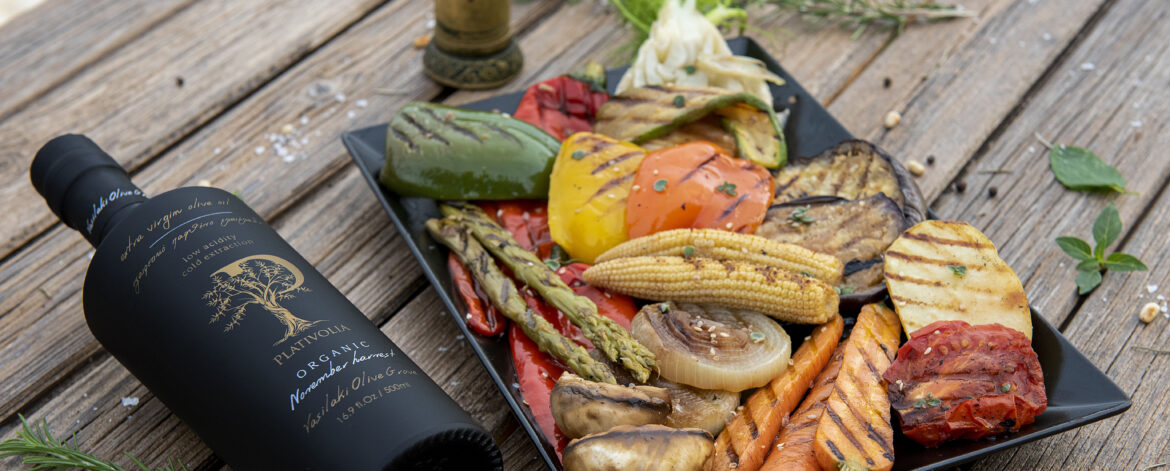
* Plativolia Organic (November harvest) Vasilaki Olive Grove is an award – winning Cretan olive oil high in polyphenols (>250mg/kg) with Health Claim Rating (Health Claim) EU432/2012,
low acidity < 3 and results of organoleptic characteristics that are in absolute balance between them, making an olive oil harmoniously delicious and healthy, giving the food taste and value.