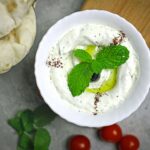
The Mediterranean diet is renowned for its health and wellness benefits. It is based on foods native to the Mediterranean region, with olive oil, particularly extra virgin olive oil (EVOO), taking center stage. Organic extra virgin olive oil is the purest form of olive oil, produced without the use of chemical fertilizers or pesticides, thus retaining all its nutritional properties.
In this article, we will explore the role of organic extra virgin olive oil in the Mediterranean diet and its scientifically proven health benefits.
What is Organic Extra Virgin Olive Oil?
Extra virgin olive oil is the juice of the olive, produced through cold pressing without chemical processing. The term “organic” refers to olive oil produced in accordance with the principles of organic farming, which avoids the use of synthetic pesticides and fertilizers. This ensures that the olive oil is free from chemicals and retains its natural polyphenols, vitamins, and antioxidants, which are critical for health.
The Benefits of Organic Extra Virgin Olive Oil
1. Rich in Antioxidants: Organic extra virgin olive oil is rich in polyphenols and other antioxidants, such as vitamin E. These components have the ability to combat free radicals, reducing oxidative stress and the risk of chronic diseases like cardiovascular disease and cancer.
2. Reduces the Risk of Cardiovascular Diseases: Research has shown that consuming extra virgin olive oil reduces “bad” LDL cholesterol and increases “good” HDL cholesterol. Additionally, the presence of monounsaturated fatty acids (like oleic acid) in olive oil helps lower blood pressure and improves endothelial function.
3. Anti-Inflammatory Properties: Olive oil contains oleic acid and a natural compound called oleocanthal, which have been shown to have strong anti-inflammatory properties similar to those of ibuprofen. These properties help reduce chronic inflammation, which is a risk factor for many chronic diseases.
4. Supports Brain Function: Studies have shown that the consumption of extra virgin olive oil can have positive effects on cognitive function and reduce the risk of Alzheimer’s disease. This is mainly attributed to its antioxidant and anti-inflammatory properties.
5. Skin Health and Anti-Aging: Organic extra virgin olive oil is rich in vitamins and antioxidants that help protect the skin from the harmful effects of the sun and aging. Furthermore, it moisturizes and nourishes the skin, offering a healthy glow and elasticity.
Mediterranean Diet and the Role of Olive Oil
The Mediterranean diet is recognized as one of the healthiest diets worldwide. It is based on the consumption of plant-based foods, fruits, vegetables, legumes, nuts, fish, and primarily olive oil as the main source of fat. Studies show that people who follow the Mediterranean diet have lower rates of heart disease, type 2 diabetes, obesity, and cancer.
The role of olive oil in this diet is not only for flavor but also for its therapeutic properties. Replacing saturated fats with olive oil has been shown to improve lipid profiles, reduce inflammation, and help in better weight management.
Conclusion
Organic extra virgin olive oil is an integral part of the Mediterranean diet and offers multiple health benefits, from protecting the heart and brain to supporting the immune system and providing anti-aging effects. Its consumption as part of a balanced diet can help prevent many chronic diseases and promote a long and healthy life.
References
Estruch, R., et al. “Primary Prevention of Cardiovascular Disease with a Mediterranean Diet.” The New England Journal of Medicine, 2013.
Martinez-Gonzalez, M.A., et al. “Benefits of the Mediterranean Diet beyond the Mediterranean Sea and beyond Food Patterns.” BMC Medicine, 2016.
Yubero-Serrano, E.M., et al. “Mediterranean Diet and Endothelial Function.” The British Journal of Nutrition, 2013.